Tips for Faster and Safer Vegetable Prep
I used to think that if I didn’t have a $200 Japanese chef’s knife and a marble workstation, I was somehow doing it wrong. I spent way too many Tuesday nights staring at a pile of unwashed carrots, feeling completely defeated by the sheer mental weight of a recipe that seemed simple enough on paper. But here’s the truth: most of the “gourmet” advice out there is just extra noise designed to make you feel like you need more gear. Learning how to prep vegetables shouldn’t feel like a high-stakes chemistry lab; it should be a way to reclaim your evening so you aren’t standing over a cutting board at 7:00 PM when you’d rather be sitting on the sofa.
I’m not here to give you a lecture on knife angles or fancy garnishes that just end up in the compost. Instead, I’m going to show you my actual, battle-tested system for getting the job done with minimal friction. We’re going to talk about real-world shortcuts, the right way to organize your space, and how to prep once so you can actually enjoy your meals later. Let’s stop overcomplicating the basics and just get it done.
Table of Contents
Mastering Basic Knife Skills for Cooking Without the Stress

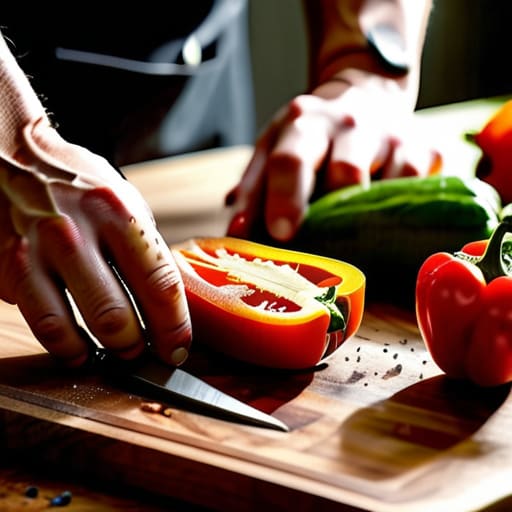
Look, I’ll be the first to admit that my first few years in a professional kitchen—and even my early days managing a household—were defined by a dull knife and a lot of frustration. Most people think they need fancy, expensive Japanese steel to get things done, but honestly? You just need a sharp blade and the right grip. If you’re just starting out with meal prep for beginners, focus on the “claw grip.” Tuck your fingertips in like you’re holding a claw so your knuckles act as a guide for the blade. It feels a little weird at first, but it’s the fastest way to stop worrying about accidental nicks and start actually enjoying the rhythm of the work.
Once you get the hang of it, you’ll realize that decent knife skills for cooking are less about speed and more about consistency. When your carrots or onions are cut into uniform pieces, they cook at the same rate. No more biting into a raw chunk of potato while the rest of your stir-fry is mush. It’s a small shift in technique, but it’s one of those small, actionable wins that makes your entire evening feel less like a chore and more like a process.
How to Wash Vegetables Like a Pro to Save Time

Look, I’ve learned the hard way that if you don’t clean your produce correctly right at the start, you’re just inviting rot into your crisper drawer. There is nothing more frustrating than pulling out a beautiful head of lettuce only to find it’s turned into a slimy mess because of trapped moisture. When I’m tackling my weekly meal prep for beginners, I follow one golden rule: wash everything thoroughly, but dry it completely before it touches a container. I usually set up a colander in the sink and use a salad spinner for the leafy stuff—it’s a total game-changer for efficiency.
Once they’re clean, don’t just toss them back into the fridge haphazardly. If you want to master keeping vegetables fresh longer, you need to think about airflow. I keep a few lint-free kitchen towels on hand to wrap my greens; it absorbs that excess humidity that causes spoilage. It takes an extra thirty seconds upfront, but it saves me from wasting money on groceries I have to toss out by Thursday. It’s all about that small, intentional step to keep the kitchen running smoothly.
My Five Non-Negotiable Rules for a Faster Prep Routine

- Batch prep your aromatics. Don’t pull out the cutting board every single night just to dice one lonely onion or a clove of garlic. Spend twenty minutes on Sunday chopping a big batch of onions and garlic; keep them in airtight containers in the fridge so you can just grab a handful and go during the week.
- Organize your workspace by “station.” I used to end up with a mountain of scraps and peelings taking over my entire counter, which just adds to the mental clutter. Set up a dedicated “waste bowl” right next to your cutting board so you can sweep scraps directly into it without moving your knife.
- Use the right tool for the job, every time. If you’re trying to peel a carrot with a dull knife or a tiny paring knife, you’re just wasting time and risking a nick. Keep a high-quality Y-peeler handy; it’s faster, safer, and much more efficient for bulk prepping.
- Group your veggies by “shelf life” in the fridge. Once you’ve prepped them, don’t just toss them in a drawer. Put the hardy stuff like carrots and peppers in one spot, and the delicate greens in another. It stops you from playing a guessing game with what’s going to rot before you can use it.
- Prep for the meal, not just the ingredient. If a recipe calls for diced zucchini, don’t just chop it into random chunks. Take the extra ten seconds to cut it to the size the recipe actually needs. It sounds nitpicky, but it means when you’re actually cooking, everything hits the pan at the same time and cooks evenly.
Three Ways to Keep Your Kitchen Flowing
Invest in one decent chef’s knife and keep it sharp; a dull blade is more dangerous and twice as frustrating when you’re trying to get through a pile of carrots.
Don’t prep as you go—it’s a recipe for a messy counter and a stressed mind. Wash and chop everything upfront so the actual cooking part is actually enjoyable.
Use the “batch method” for your staples. If you’re already chopping onions for tonight’s dinner, chop three extra and toss them in a container for tomorrow; your future self will thank you.
Making it Work for You

At the end of the day, prepping your vegetables isn’t about achieving some culinary perfection you see on a cooking show; it’s about reducing the friction between you and a healthy meal. We’ve covered the essentials: sharpening your skills so you aren’t fighting your tools, washing everything properly to avoid a mid-cook scramble, and setting up a workflow that actually makes sense. When you stop treating prep like a chore and start treating it like a strategic setup, you reclaim your evening. You aren’t just cutting carrots; you’re clearing the mental clutter that usually piles up right when you’re tired and hungry.
I know how it feels to stare at a pile of unwashed, unpeeled produce and just want to order takeout instead. But I promise you, once you implement these small, actionable wins, that feeling of being overwhelmed starts to fade. Don’t try to overhaul your entire kitchen overnight—just pick one thing, like prepping your onions for the week, and see how much lighter your headspace feels. Life is far too short to spend it wrestling with a dull knife or a messy countertop. Get organized, get prepared, and then go enjoy the meal you actually deserve.
Frequently Asked Questions
How do I know which vegetables are actually worth prepping ahead of time and which ones will just turn to mush in the fridge?
Look, not everything belongs in a Tupperware container on Sunday night. Stick to the “hardy” crowd: carrots, bell peppers, broccoli, and onions hold up beautifully. They’re your workhorses. But leave the leafy greens, sliced cucumbers, or delicate herbs for the moment you actually need them. If you prep them too early, you’re just making expensive compost. My rule of thumb? If it’s crunchy and dense, prep it. If it’s soft or watery, wait.
I don't have a ton of counter space; what’s the most efficient way to organize my workspace so I'm not tripping over scraps?
If you’re working with limited real estate, you have to think vertically. I can’t tell you how many times I’ve bumped a bowl of scraps off a cramped counter. Get a large, sturdy cutting board that overhangs the edge of your counter or sits over a large bowl; this gives you a dedicated “waste zone” without eating up prep space. Keep a small “scrap bin” right next to your knife hand so you aren’t constantly reaching across the board. Clear workspace, clear mind.
What are some simple ways to store my prepped veggies so they stay crisp all week instead of wilting by Tuesday?
Stop letting your hard work go to waste in the crisper drawer. If you want things to stay crisp, moisture is your biggest enemy and your best friend. For leafy greens, tuck a paper towel into your container to soak up excess dampness. For chopped carrots or celery, store them submerged in a small jar of water—it’s a game changer. Just remember to swap that water out every few days to keep things fresh.