Weeknight Survival: Make-ahead Meals to Save You Time
I’m going to say something that might ruffle a few feathers in the “wellness influencer” community: you do not need a five-hour Sunday ritual involving thirty different glass containers and a grocery bill that looks like a mortgage payment. I’ve seen those Pinterest-perfect setups, and frankly, they’re a recipe for burnout, not efficiency. Most of those complex meal prep schemes are just unnecessary mental clutter disguised as productivity. If your version of make ahead meals requires a degree in logistics and a pristine kitchen by noon, you aren’t reclaiming your time—you’re just creating a second job for yourself.
I’m not here to sell you on a lifestyle you can’t maintain once Tuesday afternoon hits and the kids are screaming for snacks. Instead, I’m going to share the practical, low-friction strategies I use to keep my own kitchen running without losing my mind. We’re going to focus on simple, scalable wins—the kind of food that actually tastes good on Thursday and doesn’t require a chemistry degree to assemble. Let’s cut through the noise and get your week back on track with zero fluff.
Table of Contents
Smart Weekly Meal Planning Tips That Actually Work

First, let’s ditch the idea that you need a Pinterest-perfect spreadsheet to succeed. Realistically, most of us just need a system that doesn’t fall apart by Wednesday. I’ve found that the most effective weekly meal planning tips involve working backward from your busiest nights. If Tuesday is your soccer practice night or that late-night client call, don’t even attempt a new recipe then. Instead, aim for a “theme” approach—taco Tuesdays or slow-cooker Thursdays—to narrow your choices and stop that decision fatigue before it starts.
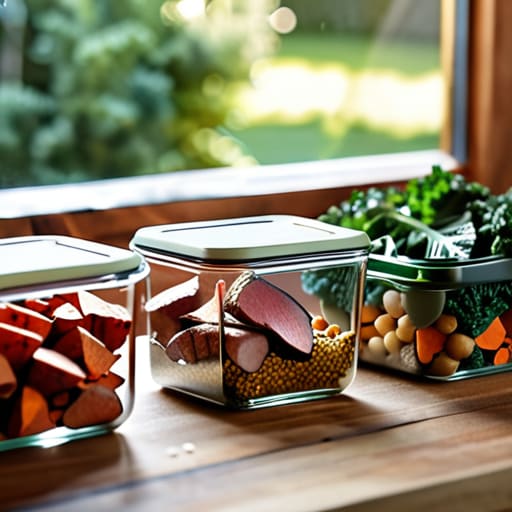
Once you have your plan, invest in a decent set of meal prep containers for freezing. I learned the hard way that using mismatched Tupperware leads to nothing but frustration and freezer burn. If you can portion everything out into uniform, stackable containers, you’re essentially buying yourself mental clarity for the rest of the week. It’s about creating a workflow that serves you, rather than turning your kitchen into a second full-time job. Keep it simple, keep it modular, and stop overthinking the ingredients.
Bulk Cooking for Families Without the Overwhelming Mess

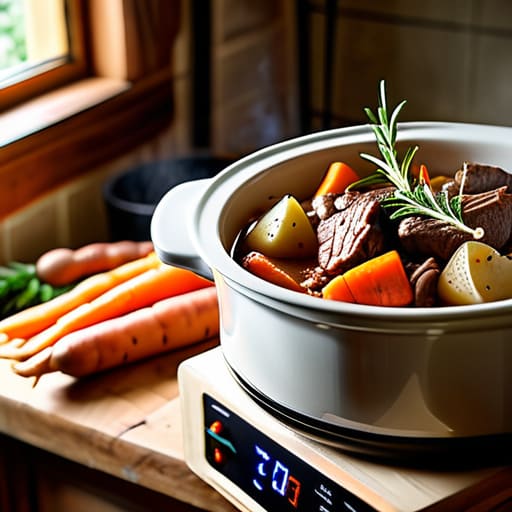
Look, I’ve learned the hard way that trying to cook a massive feast for everyone at once is a one-way ticket to a kitchen disaster and a massive sink full of dishes. When I tackle bulk cooking for families, I don’t try to make five different recipes. Instead, I pick one “base” protein—like a big batch of shredded chicken or seasoned ground beef—and cook it all in one go. It’s much easier to manage one large pot than four small pans, and it keeps the mental load manageable while you’re standing there in the middle of the chaos.
The real secret to avoiding the post-cooking meltdown is having your system ready before the stove even gets hot. I always clear my counters and lay out my meal prep containers for freezing before I even start chopping. If you have your storage ready to go, you can portion things out immediately, which prevents that dreaded “cooling on the counter for three hours” phase that leads to a messy kitchen. It’s about working smarter, not harder, so you can actually sit down and enjoy your evening once the work is done.
5 Small Wins to Keep Your Meal Prep From Becoming a Second Job

- Stick to a theme to save your brainpower. Don’t try to reinvent the wheel every Sunday; pick a “taco night” or “sheet pan night” rotation. It limits your grocery list and stops that decision fatigue from setting in by 5:00 PM.
- Invest in actual, decent containers. I learned this the hard way with my teenagers—if you use flimsy, mismatched plastic, you’ll end up throwing everything away because it leaked or didn’t stack. Get a set of uniform glass containers that actually seal; it makes your fridge look organized and keeps the food tasting fresh.
- Don’t cook everything from scratch. There is zero shame in buying a pre-washed bag of kale or a jar of high-quality marinara sauce. Use your energy for the heavy lifting, like roasting the protein, and let the store do the tedious chopping for you.
- Master the “Component Method” instead of full recipes. Instead of making one giant, heavy lasagna, prep a big batch of roasted veggies, a protein, and a grain. It’s much easier to mix and match those throughout the week so you don’t feel like you’re eating the exact same meal five days in a row.
- Use your freezer as your safety net. If you realize you’ve over-prepped, don’t let it rot in the fridge. Portion it out into individual servings immediately and freeze them. Those “emergency” frozen meals are what save me on the nights when a project deadline runs late or the kids have extra practice.
My Golden Rules for Stress-Free Prep
Don’t try to cook five new recipes in one afternoon; stick to one new dish and supplement the rest with your reliable, go-to staples to avoid burnout.
Invest in high-quality, stackable glass containers so you aren’t playing Tetris with your fridge every Sunday night.
Always cook more protein than you think you need—it’s much easier to turn leftover roasted chicken into a quick salad or taco filling than it is to start from scratch mid-week.
Reclaiming Your Evenings

Look, I know that setting aside time for meal planning and bulk cooking feels like just another chore on an already overflowing to-do list. But between the smart scheduling we talked about and the reality of tackling one big batch of protein at a time, the payoff is massive. You aren’t just making food; you are systematizing your survival. When you stop treating every Tuesday night like a high-stakes culinary crisis and start relying on those prepared staples, the mental fog finally begins to lift. It’s about moving from a state of constant reaction to a state of intentional preparation, ensuring that your kitchen works for you instead of the other way around.
At the end of the day, this isn’t about being a gourmet chef or having a perfectly curated, Pinterest-worthy pantry. It’s about the quiet, much-needed relief of sitting down at the table after a long day and knowing that dinner is already handled. I want you to use this extra time—the time you saved by prepping ahead—to actually breathe, catch up with your family, or maybe finally tackle that one DIY project you’ve been eyeing. Stop overcomplicating the process and just start small. Pick one meal this week, prep it, and feel the difference that a little bit of organization can make in your life.
Frequently Asked Questions
How do I stop my make-ahead meals from tasting like mushy leftovers by Thursday?
The secret is to stop treating every meal like a stew. If you prep everything in one big pot, you’re guaranteed mush by Thursday. Instead, use the “component method.” Roast your proteins, cook your grains, and prep your veggies separately. Keep your sauces on the side. That way, when you’re ready to eat, you’re just assembling fresh textures rather than reheating a soggy mess. It takes five minutes more upfront, but it saves your sanity.
What are the best containers to use if I want to avoid a mountain of plastic Tupperware in my fridge?
Look, I’ve been there—staring at a mismatched mountain of stained plastic lids and searching for a base that doesn’t exist. If you want to reclaim your fridge, ditch the cheap plastic sets and invest in glass. I swear by tempered glass containers with snap-lock lids. They don’t hold odors, they’re microwave-safe, and they stack beautifully. It’s a bit more upfront cost, but the organizational sanity you gain is worth every penny.
Is it actually worth the time to prep everything on Sunday, or should I just cook in smaller batches throughout the week?
Look, I’ve tried both, and honestly? It depends on your temperament. If you’re the type who gets overwhelmed by a messy kitchen on a Tuesday, go for the Sunday prep. It’s a heavy lift upfront, but it buys you peace later. However, if the idea of spending four hours over a stove on your only day off sounds like a nightmare, don’t do it. Just cook double portions on Monday and Wednesday. Small wins still count.